


Modern art is art made roughly between the 1880s and the 1970s. Contemporary art is art from the present and the recent past. That is the short answer, but the two words also get used loosely, so it helps to separate three things: how a piece looks, when it was made, and the context it came from.
Art historians and interior stylists don't always use these words the same way, and museums draw the date lines in different places. Instead of treating either label as one visual style, look at the specific work and at who is using the term.
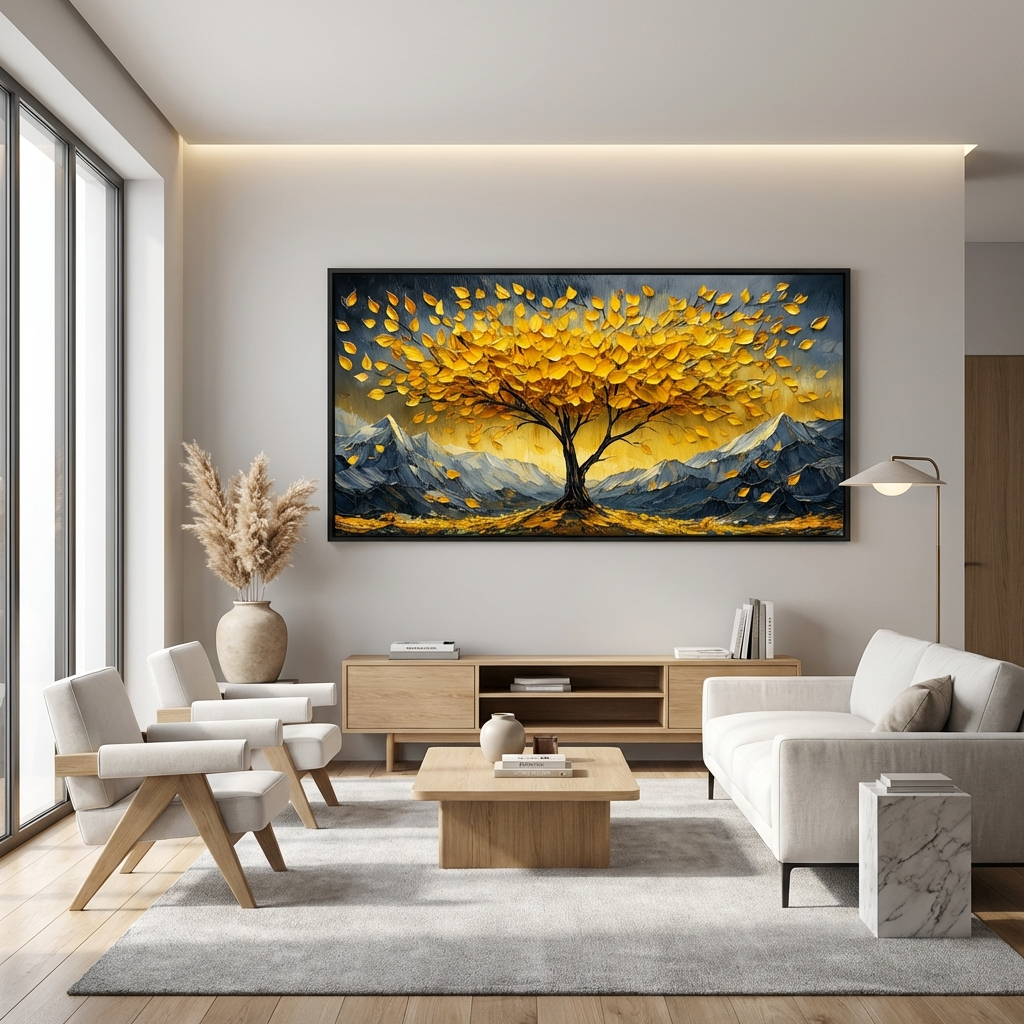
It's All About Timing
Dates give you a starting point, but the boundaries depend on who is drawing them. MoMA's glossary, for example, describes modern art as running from the 1880s to the 1970s. That is one institution's framework, not a cut-off every museum or historian shares.
Contemporary art covers the present and the relatively recent past. It spans many media and approaches, and its starting date changes with the institution and the discussion.
Van Gogh, Monet and Georgia O’Keeffe come up in modern-art discussions. Damien Hirst, Yayoi Kusama and Jeff Koons appear in contemporary ones. Even so, an artist's whole career rarely fits one box. What matters is the date and context of each individual work. To see the difference on a wall, browse our Landscape Painting and Portrait Wall Art collections.
Looking at Ideas, Movements and Practices
A period label doesn't fix a single subject, technique or intention. Two works from the same era can have very different ideas behind them, so judge each piece on its own.
A well-known nineteenth-century example is Édouard Manet's Le Déjeuner sur l’herbe (Luncheon on the Grass), dated 1863. It shows how painters of that time pushed against convention in subject matter and in how a picture's space is built.
By playing with perspective, artists gained more freedom to carry meaning. They no longer had to rely on realistic depictions of people and landscapes, and they began to play with the viewer's gaze. If that sense of freedom appeals to you, try Rosemary Art's Abstract Art collection.
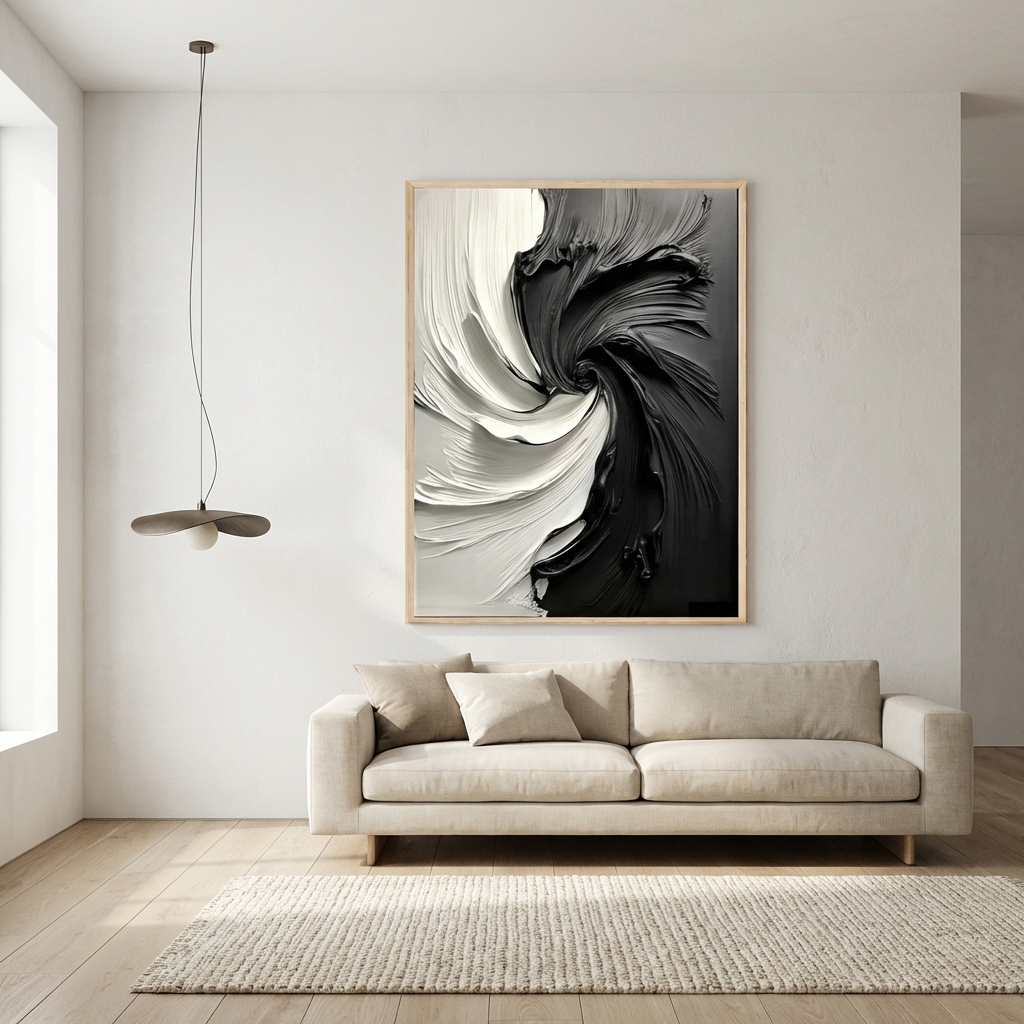
Abstract Expressionism developed mainly in New York in the 1940s and 1950s, and it is usually placed in twentieth-century modern-art history. Jackson Pollock is one example of its varied approaches. It doesn't mark where contemporary art begins, and contemporary work isn't tied to one conceptual or expressive goal.
Some contemporary artists focus on ideas, others on materials, color or observation. If you like a tactile look at home, start with our Wabi Sabi Art collection.
Different Art Movements and Styles
Movements, practices and era labels describe different things, and none of them is a closed box.
Impressionism, Post-Impressionism, Cubism and Surrealism are usually discussed as part of modern-art history. Installation and performance are practices used in contemporary art, alongside painting and other media. A present-day artist can also borrow the look of an older movement.
That means a work made today may look modern, or lean on older traditions. In a decor listing, "modern" often describes appearance rather than an art-historical date. To classify a particular piece, check its creation date, medium and context.
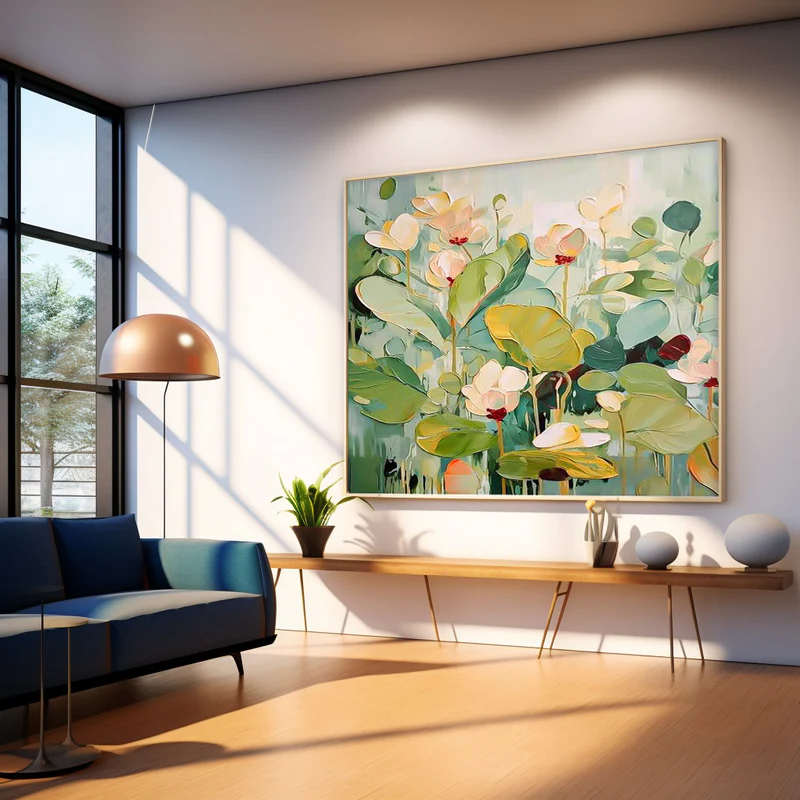
Find Your Art Memory
Whether you prefer the visual breakthroughs of modern art or the ideas behind contemporary art, our approach at Rosemary Art stays the same: every piece is hand-painted to hold a memory or a feeling you care about.
Ready to pick something? Start with Ocean Wall Art or Floral Wall Art. For a gift, look at Love Art or a Ballerina Painting.


